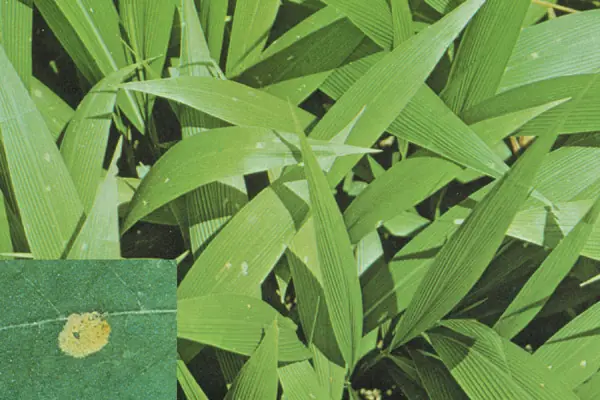
Insect · Apis mellifera
Bee Poop Field Guide
Honey bees collect nectar and pollen, then spend their days working together in a hive or nest.
Checking the local clue journal…
ShapeTiny yellow dots
SizeAbout the size of a sesame seed
ColorYellow or orange
FoodPollen and nectar
HabitatHives, tree hollows, or apiaries
Scientific nameApis mellifera
Photo source: Wikimedia Commons · US Department of Defense · Public domain
Meet the animal
Bee leaves a clue
Pollen grains can help researchers learn which flowers bees visited.
Guess first, then reveal
How might this animal's food and body shape the clue it leaves?
3-STEP FIELD MISSION
Look beyond one clue
- 1LookNotice the tiny yellow dots shape.
- 2ConnectConnect it with pollen and nectar and hives, tree hollows, or apiaries.
- 3ExplainTell a grown-up which evidence supports your idea.
PIPI'S SCIENCE NOTES
Why does it look like this?
Bee waste is tiny and can carry traces of the pollen they have eaten. Bees normally avoid fouling the inside of the hive and take cleansing flights when weather allows.
Science sources
These references help us check the animal, food, and poop clues.
KEEP EXPLORING
All files Investigate similar animals
NO.01
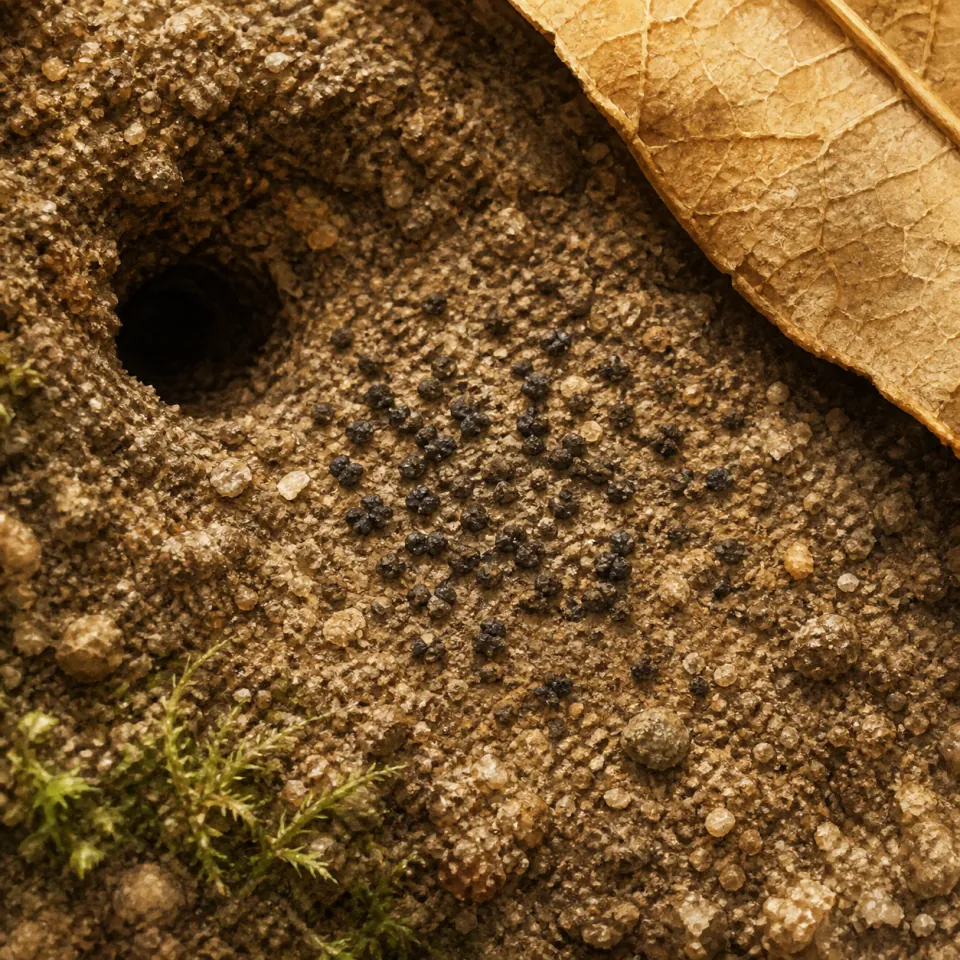
Ant
Ant colonies keep waste away from the busiest nursery spaces.
- Shape
- Extremely tiny grains
- Food
- Plants, honeydew, fungi, or other insects
NO.02
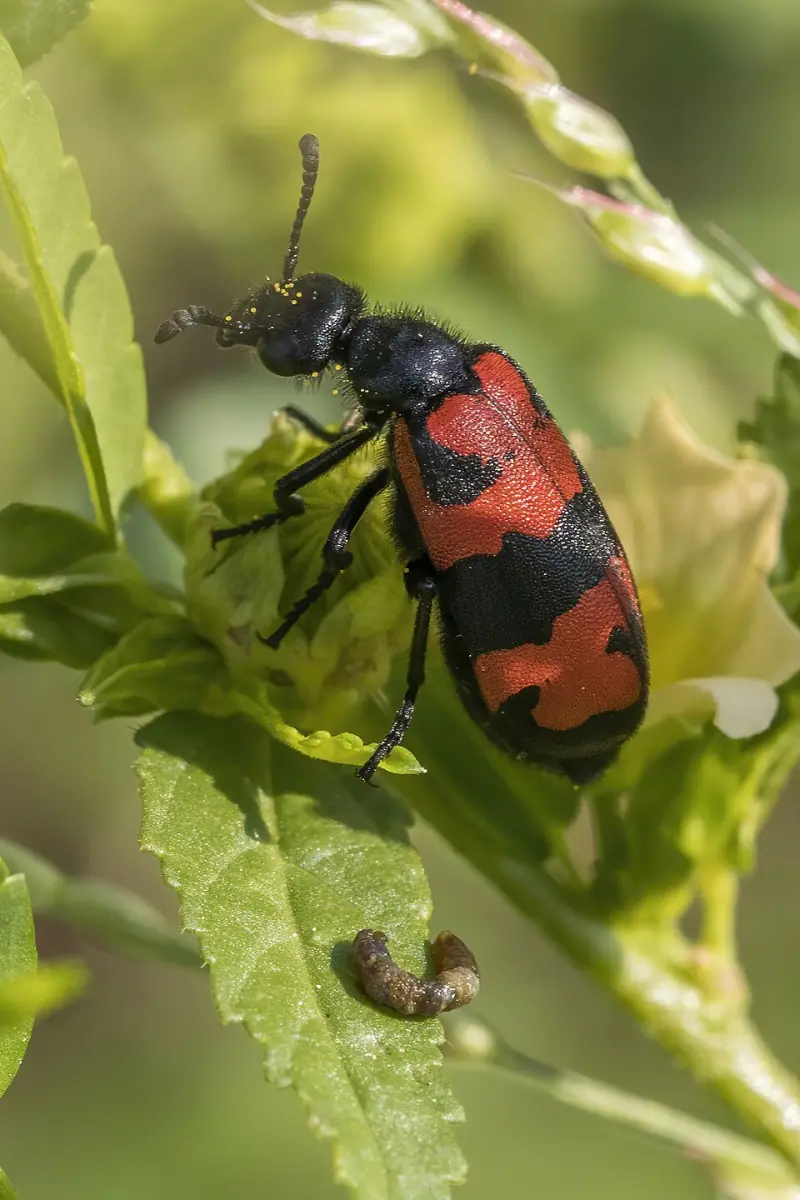
Beetle
Frass can look like sawdust when a wood-eating larva is nearby.
- Shape
- Tiny round cylinders
- Food
- Plants, wood, or other insects
NO.03
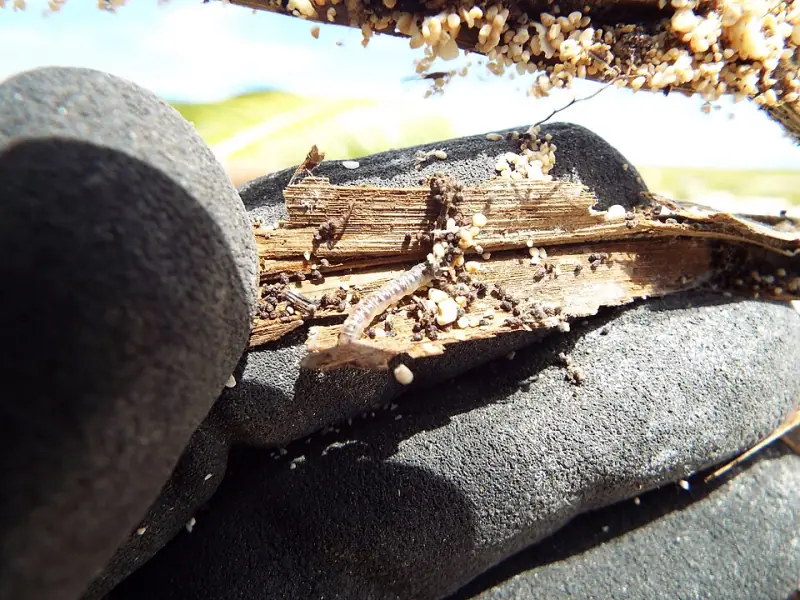
Caterpillar
The scientific word for caterpillar poop is frass.
- Shape
- Tiny grains
- Food
- All kinds of plant leaves