Insect · Lepidoptera larvae
Caterpillar Poop Field Guide
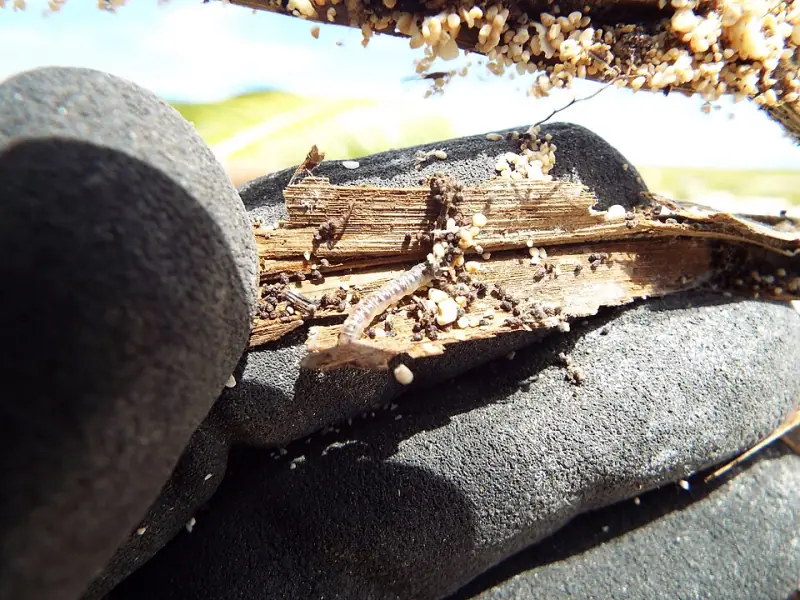
A caterpillar turns leaves into growing body parts—and leaves tiny grains called frass behind.
Checking the local clue journal…
ShapeTiny grains
SizeAbout the size of black pepper
ColorGreen or black
FoodAll kinds of plant leaves
HabitatOn plant leaves and stems
Scientific nameLepidoptera larvae
Photo source: Wikimedia Commons · Forest and Kim Starr · CC BY 3.0 us
Meet the animal
Caterpillar leaves a clue
The scientific word for caterpillar poop is frass.
Guess first, then reveal
How might this animal's food and body shape the clue it leaves?
3-STEP FIELD MISSION
Look beyond one clue
- 1LookNotice the tiny grains shape.
- 2ConnectConnect it with all kinds of plant leaves and on plant leaves and stems.
- 3ExplainTell a grown-up which evidence supports your idea.
PIPI'S SCIENCE NOTES
Why does it look like this?
Caterpillars eat a lot for their size. Their short digestive systems pack leftover plant pieces into tiny pellets that can look like pepper under a leaf.
Science sources
These references help us check the animal, food, and poop clues.
KEEP EXPLORING
All files Investigate similar animals
NO.01
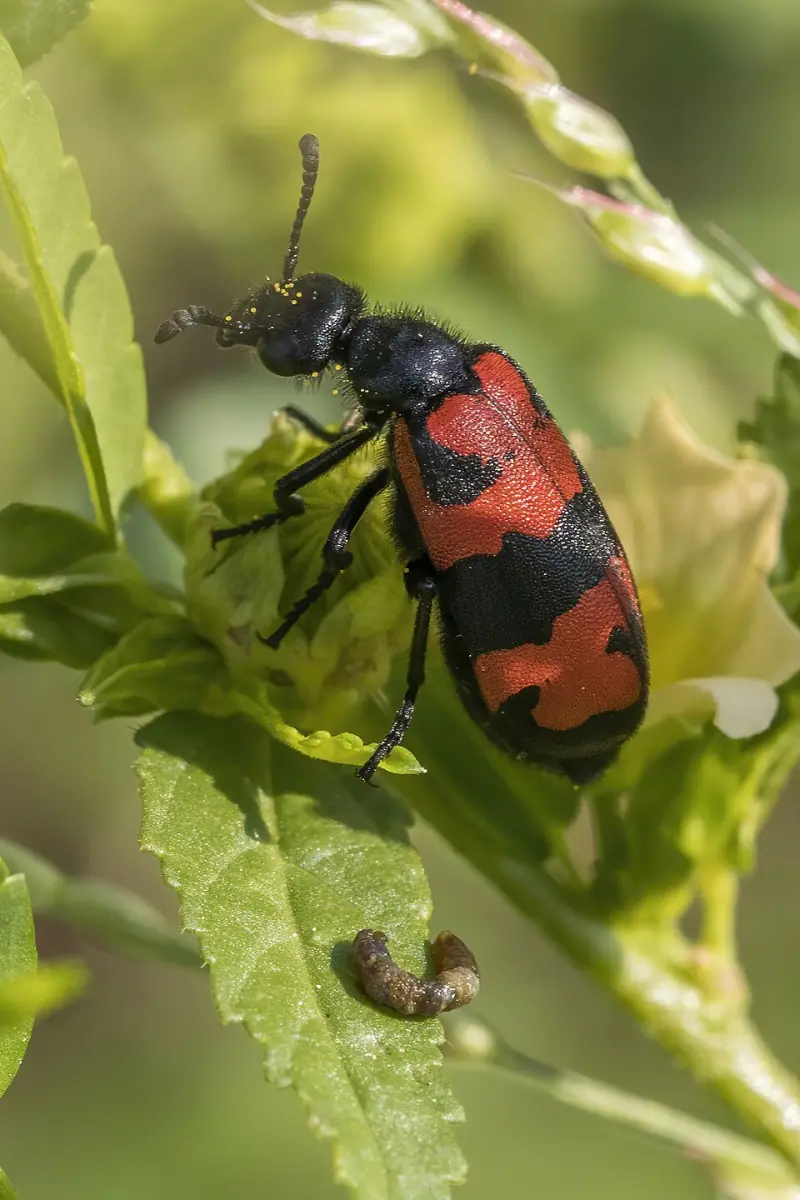
Beetle
Frass can look like sawdust when a wood-eating larva is nearby.
- Shape
- Tiny round cylinders
- Food
- Plants, wood, or other insects
NO.02
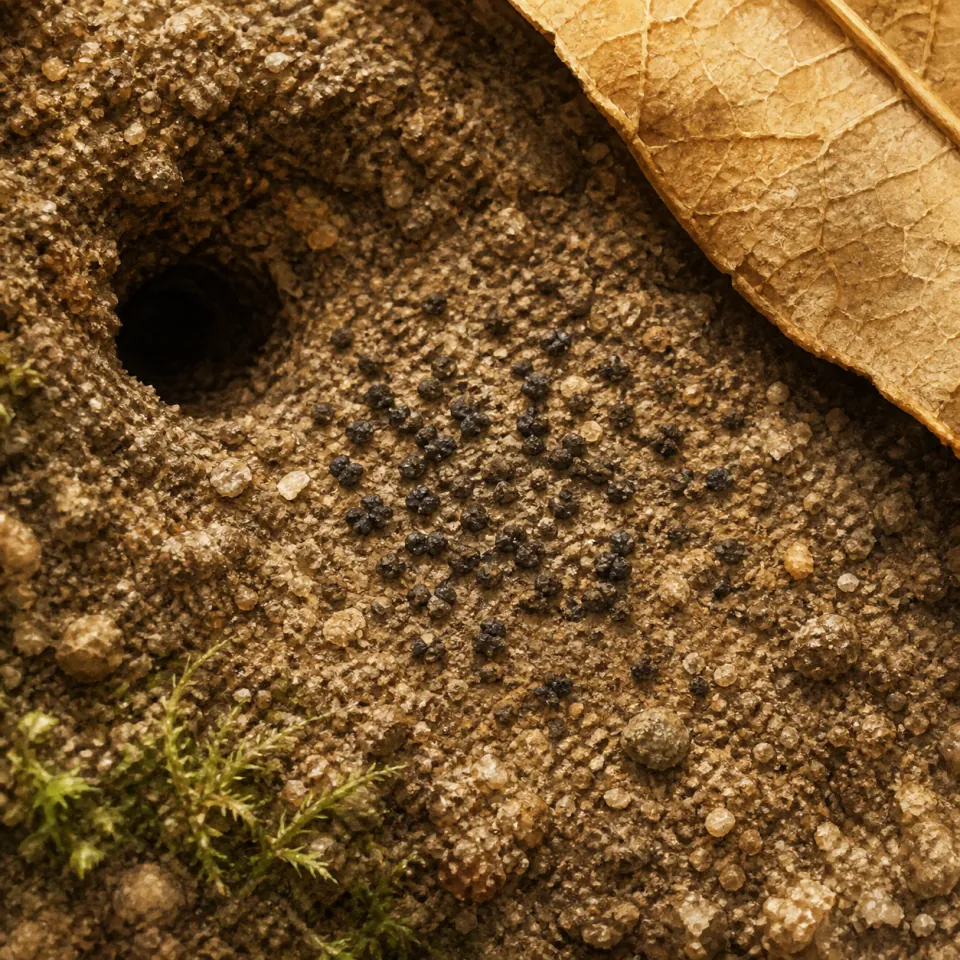
Ant
Ant colonies keep waste away from the busiest nursery spaces.
- Shape
- Extremely tiny grains
- Food
- Plants, honeydew, fungi, or other insects
NO.03
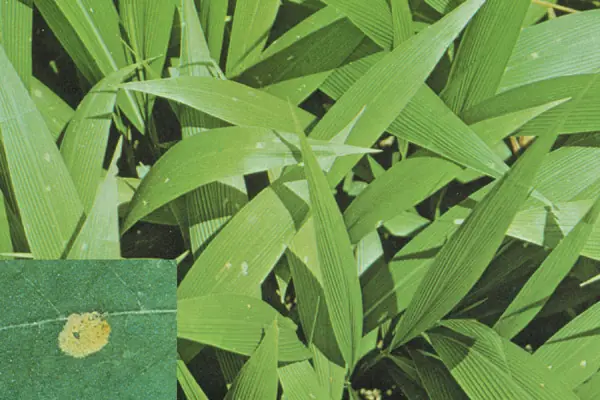
Bee
Pollen grains can help researchers learn which flowers bees visited.
- Shape
- Tiny yellow dots
- Food
- Pollen and nectar